Kirkwood Fine Arts presents the musical “Pippin” Oct. 30-Nov. 7. Known for signature songs “Magic To Do” and “Corner of the Sky,” director Emma Kostiv says this version of the script leans into a Circus theme, so except lots of color, juggling, and magic. The cast is anchored by Jeffrey Harrington and Eloise Prince, each of whom is off recent leading roles at Theatre Cedar Rapids. The three agree that the mix of veteran and new talent is one of the most fun things about the show.
Tickets at kirkwood.edu/ballantyne.
Subscribe to The Culture Crawl at kcck.org/culture or search “Culture Crawl” in your favorite podcast player. Listen Live at 10:30am most weekdays on Iowa’s Jazz station. 88.3 FM or kcck.org/listen.
Kevin Burt headlines the American Federation of Music Local 450’s fundraiser for KCCK’s Music education programs, “Re-Union Blues” on Nov. 1 at Wildwood Saloon in Iowa City. Pete Damiano’s band Homebrewed will performer as well. Homebrewed often performs at fundraisers for important causes and will be honored by the Association of Fundraising Professionals for their work later in the month.
Tickets for Re-Union Blues are just $20 in advance. Info and tickets at kcck.org/reunionblues.
Subscribe to The Culture Crawl at kcck.org/culture or search “Culture Crawl” in your favorite podcast player. Listen Live at 10:30am most weekdays on Iowa’s Jazz station. 88.3 FM or kcck.org/listen.
Listen to this week’s playlist on YouTube and Spotify
The legacy of Joey DeFrancesco was solidified decades ago, not only by single-handedly resurrecting the organ’s prominence in jazz, but through the passion and power of every note he played on any instrument he touched. “Live at Keystone Korner,” the first posthumous album from the legendary organist and multi-instrumentalist following his untimely passing in 2022, was recorded only weeks before his transition and stands as his final known recording as a bandleader. With his extraordinary talents on organ, trumpet, tenor saxophone, and a rare vocal feature in the spotlight, it is safe to say Joey’s influence on the musical community will resonate far beyond our lifetime, inspiring generations to come.
“25 Years of Phatness,” the 13th album from Gordon Goodwin’s Big PhatBand, celebrates 25 years of fearless writing, powerhouse playing, and a distinctly modern approach to the big band tradition. It features the intricate ensemble composing, serious grooves, ridiculous chops, burning solos, and the humor and musical personality that have defined the band from the beginning. The album combines newly imagined versions of Phat Band favorites with new compositions, showcasing Gordon’s range as a composer, arranger, pianist and bandleader. It also serves as a fitting homage to Mr. Goodwin, who passed away in December at the age of 70.
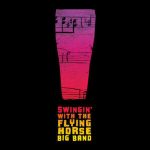
Also this week, Denise Donatelli returns with “Take My Breath Away,” a celebratory new recording that finds the multi-Grammy nominated vocalist bringing together contemporary songcraft, Brazilian music and intimate balladry in a program as deeply personal as it is musically expansive; TheFlying Horse Big Band celebrates its 10th album, “Swingin’ with The Flying Horse Big Band,” blending original compositions with rarely heard classics, moving effortlessly from hard-swinging Basie-inspired ensemble work and sophisticated arrangements by Harry Allen, Mark Taylor and Bill Finegan, to bossa nova and blues; and “From the Heart” is a new album from renowned tenor saxophonist Houston Person featuring classic American standards and ballads backed by an all-star sextet.
The Iowa Women’s Jazz Orchestra Sextet, a small group ensemble of the larger Orchestra, includes some of the most sought after musicians in Iowa. This incredible six-piece delivers great music from across the jazz spectrum, including many originals.
Jazz Masters
Weekdays & Saturdays at 12:00 noon
Tune in every weekday from Noon to 1pm, and Saturday afternoons from Noon to 4pm for Jazz Masters. Hollis Monroe delves deep into the landmark recordings celebrating anniversaries, and celebrates the birthdays of immortal artists.
.
KCCK’s Midnight CD (November 2 – November 8)
Every Night at Midnight
KCCK features a new album every night, played start-to-finish.
Swingin’ With the Flying Horse Big Band by the Flying Horse Big Band on Monday; From the Heart by Houston Person on Tuesday; 25 Years of Phatness by Gordon Goodwin’s Big Phat Band on Wednesday; Live at Keystone Corner by Joey DeFrancesco on Thursday; New Blue Mexico by Randy Lee Riviere on Friday; Fire Horse by Dudley Taft on Saturday; Take My Breath Away by Denise Donatelli on Sunday.
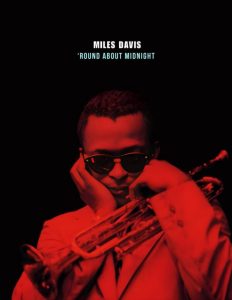
Hey, Jazz fans! Be sure to tune in this week as we celebrate the birthdays of saxmen Zoot Sims, Warne Marsh, and Jimmy Woods, singers Cleo Laine, Andy Bey and Julie Kelly, pianist Jacques Loussier, percussionist Poncho Sanchez, bassist/vocalist Richard Bona and more. We’ll also mark the recording anniversary of Miles Davis’s “’Round About Midnight” (1955) and many others, Mondays thru Fridays and at noon on JAZZ MASTERS on Jazz 88.3 KCCK.
Riverside Theatre presents the Gothic Horror tale “Turn of the Screw” Oct. 23-Nov. 8. Written in the 1890s, the play is pretty much the original source for every “young woman in a spooky house” tale we know today. Director Gregory Almanza and cast member Luke McGee (rocking some standout mutton chops) say the play is also an early example of the “unreliable narrator,” because there is a possibility the horror is all in the mind of the unnamed governess. You can decide whether the ghosts are real or not! Tickets and info at riversidetheatre.org.
Subscribe to The Culture Crawl at kcck.org/culture or search “Culture Crawl” in your favorite podcast player. Listen Live at 10:30am most weekdays on Iowa’s Jazz station. 88.3 FM or kcck.org/listen.
The Cedar Rapids Concert Chorale presents “A Vision Unfolding” Oct. 25, 3pm at First Lutheran Church. Director Gerry Kreitzer says the program will include several choral settings of Psalms, including one written by Cedar Rapids composer, the late Allen Kopek, and the title piece, a soaring choral/spoken word work by Kyle Pederson.
Tickets and more information at crchorale.org.
Subscribe to The Culture Crawl at kcck.org/culture or search “Culture Crawl” in your favorite podcast player. Listen Live at 10:30am most weekdays on Iowa’s Jazz station. 88.3 FM or kcck.org/listen.

 Listen to this week’s playlist on
  “25 Years of Phatness,” the 13th album from Gordon Goodwin’s Big Phat Band, celebrates 25 years of fearless writing, powerhouse playing, and a distinctly modern approach to the big band tradition. It features the intricate ensemble composing, serious grooves, ridiculous chops, burning solos, and the humor and musical personality that have defined the band from the beginning. The album combines newly imagined versions of Phat Band favorites with new compositions, showcasing Gordon’s range as a composer, arranger, pianist and bandleader. It also serves as a fitting homage to Mr. Goodwin, who passed away in December at the age of 70.

 Wednesday Night Special