This Week In Jazz February 11 thru February 17


Hey, Jazz fans! Be sure to tune in this week as we celebrate the birthdays of composer Harold Arlen, baritone saxman Charlie Fowlkes, saxmen Wardell Gray, Roger “Buck” Hill and Maceo Parker, drummer Herlin Riley, singer Dena DeRose and more. We’ll also mark the recording anniversaries of “Chico Hamilton Quintet in Hi-Fi” (1956), Stan Getz/Charlie Byrd’s “Jazz Samba” (1962), Art Blakey & the Jazz Messengers’ “Night in Tunisia” (1979), Ray Bryant’s “Trio Today” (1987), The New George Shearing Quintet’s “That Shearing Sound” (1994), Bruce Barth’s “Three Things of Beauty” (2012) and many others, Mondays thru Fridays at noon on Jazz Masters on Jazz 88.3 KCCK.  


News Digest 2-9-24

No charges will be filed against President Biden over his handling of classified documents…lawmakers in Des Moines are looking at combining mental health and disability services in Iowa.

Soundtrack to the Struggle: Count Basie’s “Same Old South”

Sometimes the truth is difficult to hear … or dangerous to tell. Sometimes, you have to serve it up with a helping of irony. And sometimes, you really DO have to use a spoonful of sugar to help the medicine go down. Such is the case with Count Basie’s classic 1940 record, “It’s The Same Old South.”

Debuted in the satirical labor revue “Meet the People,” Jay Gorney penned the music to this infectious, swingin’ tune that packed dance floors across the country. While at the same time, Ed Eliscu’s subversive lyrics told a story quite different from the history books. Life as a Black person in American society wasn’t as cheery as it appeared on the surface.

“It’s The Same Old South” brilliantly depicts our society as a study in contrast. Like the song, the story of the American way can sound sweet and melodic. But listen a little closer, and the lyrics of child labor, tar & feathering, and bloodhounds chasing union organizers declare that the beautiful landscape of the United States wasn’t so lovely after all.

This episode of “Soundtrack to the Struggle” was written and produced by Ron Adkins and hosted by Hollis Monroe.

News Digest 2-8-24

The Supreme Court is to hear arguments today over whether Donald Trump can be kept off the Colorado primary ballot…immigrant rights advocates rally at the Iowa Capitol.

Soundtrack to the Struggle: Duke Ellington’s Grand Statement

January 23, 1943. Carnegie Hall. Duke Ellington and His Orchestra make their debut at the legendary venue. On the program is the premiere of Ellington’s new magnum opus – his three movement jazz symphony, “Black, Brown & Beige.” It is Ellington’s longest and most ambitious composition to date. Admittedly, the piece as a whole is under-rehearsed and rough in spots. But Duke is excited to use this stage-of-all-stages to make a grand statement on the Black condition.

He dubbed it, “a tonal parallel to the history of the Negro in America.” Within each movement, suites reflect components of the African-American experience, from slavery to Harlem to swing. Tympani portray the sounds of hard labor. Muted trumpets echo wails and work songs. There are spirituals and dance numbers. The work is rich and orchestral, but most assuredly jazz. Ellington makes sure his audience knows that jazz is America’s music – created by Black Americans.

Critical response to the Carnegie Hall performance is, at best, mixed. Discouraged by its tepid response, Ellington only performs “Black, Brown and Beige” once more before breaking it into pieces. Yet those pieces, like “Work Song,” and “Come Sunday,” collectively make the most powerful statement of all: We’ve come so far, but still have so far to go.

This episode of “Soundtrack to the Struggle” was written and produced by Ron Adkins. Executive Producers Dennis Green and George Dorman. Hosted by Hollis Monroe.

Talking Pictures 2-7-24

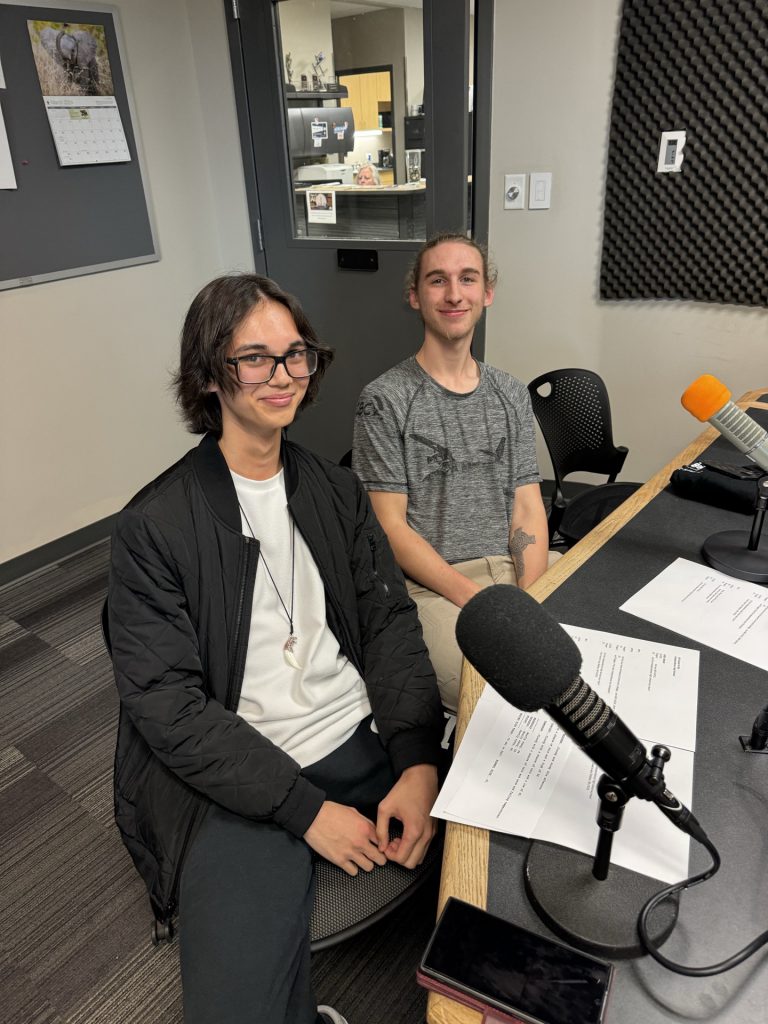
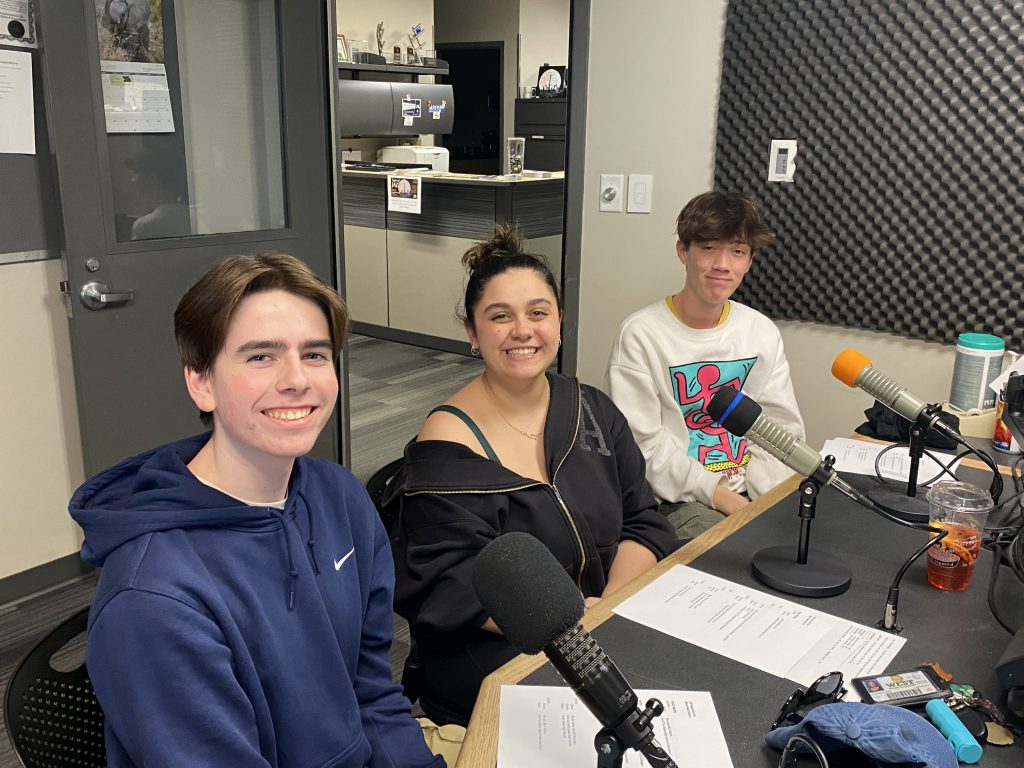
The Beekeeper (2024) and American Fiction (2023) with Hollis Monroe, Phil Brown and Scott Chrisman.

News Digest 2-7-24

The bipartisan border deal has collapsed in Congress…Iowa lawmakers continue to deal with transgender issues.

Soundtrack to the Struggle: “You’re Under Arrest” – Miles Davis Gets Political

It’s 1984, and Miles Davis is changing his musical course yet again. He’d exhausted his exploration of jazz fusion and now looked for a fresh perspective. The result was “You’re Under Arrest.” This album was intentionally controversial – from its garish cover art, to its confounding mix of in-your-face statements and sugary pop ballads. It was also Miles’s most overtly political record to date.

Miles Davis chose this time to go public with his long-held views on nuclear proliferation, racism, and especially, police intimidation. He had fallen victim to police brutality in 1959, when he was beaten and arrested by a white New York City cop. As he released “You’re Under Arrest,” Miles also lent his horn to the Sun City anti-apartheid movement, and to Amnesty International.

He had always been a supporter of the equality struggle and a vocal defender of Black culture. He believed that jazz was the purview of Black America, and that white musicians had co-opted their way into the art form. He was a staunch defender of the disenfranchised and openly contemptuous of the aura of white privilege. At a White House gathering, Nancy Reagan is said to have asked Davis, “What have you done to deserve being here?” Miles replied, “Well, I’ve changed the course of music five or six times. What have you done?”

“You’re under Arrest,” Miles’s latest course change, was initially met with a mixed, confused response. But, like the musician himself, the music and the causes he championed are multi-layered, difficult to define, and require study and contemplation.

This episode of “Soundtrack to the Struggle” was written and produced by Ron Adkins.