
Knock at the Cabin (2023), Time (2017) and Crater (2023) with Hollis Monroe, Phil Brown and Denny Lynch.
Podcast (talkingpics): Play in new window | Download
Subscribe: Apple Podcasts | RSS
Knock at the Cabin (2023), Time (2017) and Crater (2023) with Hollis Monroe, Phil Brown and Denny Lynch.
Podcast (talkingpics): Play in new window | Download
Subscribe: Apple Podcasts | RSS
The final concert in Orchestra Iowa’s historic 100th season is “Nordic Passage,” featuring one of the world’s greatest living pianists, Garrick Ohlsson, performing his signature piece, Greig’s Piano Concerto.
Also on the program is one of Tim Hankewich’s all-time favorite symphonies by Sibelius, and a new commission by former UNI faculty member Nancy Cobb.
May 20, 7:30 at the Paramount, May 21 at 2pm at Hancher. Tickets and more info at artsiowa.com.
Subscribe to The Culture Crawl at www.kcck.org/culture or search “Culture Crawl” in your favorite podcast player. Listen Live at 10:30am most weekdays on Iowa’s Jazz station. 88.3 FM or www.kcck.org/listen.
Podcast (culturecrawl): Play in new window | Download
Subscribe: Apple Podcasts | RSS
The Cedar Rapids Downtown District is looking to bring people back downtown for evening entertainment, and the first event is a big one.
“Blues Night in the Park” will feature the great Kevin B.F. Burt, along with regional Performas Mathias Lattin, KenValdez, and the Keesha Pratt Band. Food and drink from a variety of refreshment sponsors will be available, too.
Bring your own lawn chair and pay just $5 at the gate for an evening of classic blues. www.downtowncr.org for details.
Subscribe to The Culture Crawl at www.kcck.org/culture or search “Culture Crawl” in your favorite podcast player. Listen Live at 10:30am most weekdays on Iowa’s Jazz station. 88.3 FM or www.kcck.org/listen.
Podcast (culturecrawl): Play in new window | Download
Subscribe: Apple Podcasts | RSS
 Jazz Corner of the World
Mondays from 6:00pm to 10:00pm
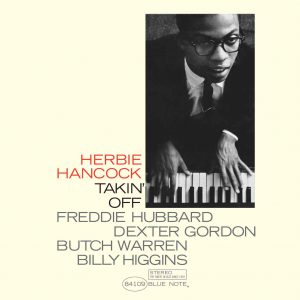
Herbie Hancock on Blue Note, Show 2
Host Craig Kessler’s celebration of the 85th anniversary of Blue Note Records continues with more of Herbie Hancock’s contributions to the label. We’ll hear classic gems from Herbie as both a sideman and as a leader.
The Wednesday Night Special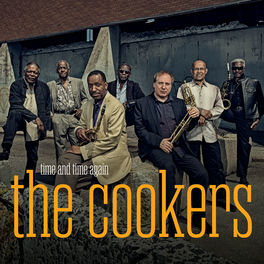
Wednesdays at 6:00pm
The Cookers at the ICJF
As we get ready for the 2023 Iowa City Jazz Festival, we’re revisiting some of the great artists who have taken the stage in Festivals past. This week, we hear jazz legends The Cookers and their 2017 set.
 Jazz Night in America
Thursdays at 11:00pm
Linda May Han Oh’s Aventurine
To celebrate Asian American and Pacific Islander Heritage Month, host Christian McBride spotlights bassist and composer Linda May Han Oh, featuring live music from her Aventurine project.
Jazz Corner of the World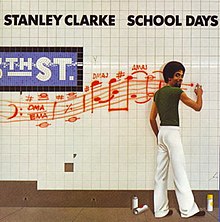
Saturdays from 12 noon to 4:00pm
The Artistry of Stanley Clarke
Host Craig Kessler invites us to join in on the fun as he spins a fine sampling from Stanley Clarke’s stellar 50-year career. We’ll hear from his many albums as a leader, as well as great work with Chick Corea, Stanley Cowell, George Duke, Tony Williams, Flora Purim, Airto, and others.
KCCK’s Midnight CD
Every Night at Midnight
Each night, KCCK lets you hear a new CD played start-to-finish.
Everything is Going to Be OK by GoGo Penguin on Monday; The Mary Lou Williams Resurgence Project, Volume 1: Small Ensemble Repertoire by Cecilia Smith on Tuesday; Resolution by Ken Fowser on Wednesday; Between the Bars by Behn Gillece on Thursday; Guitar Kingdom by Dudley Taft on Friday; Call It Confusion by Johnny King & Friends on Saturday; Truth Be Told by Angie Wells on Sunday.
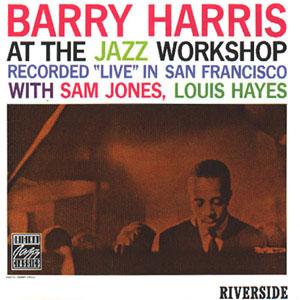 Hey, Jazz fans! Be sure to tune in this week as we celebrate the birthdays of bandleader Woody Herman, vibist Joe Roland, Blues shouter Big Joe Turner, singer Betty Carter, saxmen Dewey Redman and Jackie McLean, drummers Redd Holt and Billy Cobham and more. We’ll also mark the recording anniversaries of Kenny Burrell’s “Blue Lights” (1958), “Barry Harris at The Jazz Workshop” (1960), Oscar Peterson/Joe Pass/N.-H. Orsted Pederen’s “The Trio” (1973), Charles Earland’s “The Third Degree” (1989), Carol Morgan Trio’s “Opening” (2009), Scott Hamilton & Jeff Hamilton Trio “Live in Bern” (2014) and many others 10am to 2pm, Monday thru Friday, with Jazz Masters at noon on Jazz 88.3.
 Listen to this week’s playlist on YouTube and Spotify
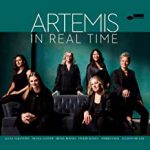
Three years after the release of Artemis’ critically acclaimed self-titled debut album, the all-female ensemble returns with a marvelous follow-up that highlights the improvisational strength of its members as well as their respective gifts as composers. “In Real Time” showcases a new lineup of the collective with founding members pianist Renee Rosnes, drummer Allison Miller, trumpeter Ingrid Jensen, and bassist Noriko Ueda joined by newcomers tenor saxophonist Nicole Glover and multi-reedist Alexa Tarantino. The eight-song set presents compelling new band member originals along with choice covers of pieces by Lyle Mays and Wayne Shorter.
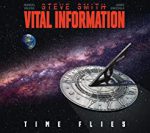
Drummer Steve Smith has led his jazz group Vital Information since 1983, making his new release, “Time Flies,” the 40th anniversary recording. The former drummer for the iconic rock band Journey has won multiple Modern Drummer Magazine readers polls including Top 25 Drummers of All Time, #1 All-Around Drummer for five consecutive years, and has been inducted into the Rock and Roll Hall of Fame. The disc debuts a new lineup for the band with Manuel Valera on keyboards and Janek Gwizdala on bass.
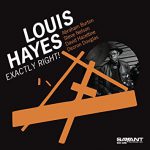
Also this week, 2023 NEA Jazz Master Louis Hayes coaxes concise, well-conceived tracks from his players on “Exactly Right,” with everyone swinging with loads of feeling;

“Of What Remains” is Montreal-based baritone saxophonist and bassoonist Melissa Pipe’s first release as a leader;
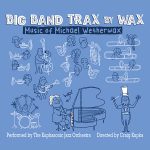
and the L.A.-based Kupkasonic Jazz Orchestra performs the songs and arrangements of Michael Wetherwax on “Big Band Trax by Wax.”
Air (2023) and Evil Dead Rise (2023) with Hollis Monroe, Phil Brown and Scott Chrisman.
Podcast (talkingpics): Play in new window | Download
Subscribe: Apple Podcasts | RSS
Summer of the Arts begins its season on May 12 with the first Friday Night Concert of the season, featuring the Iowa Steel Band. The Iowa City-area high school jazz bands headline week two, with BYO Brass, Kid Logic, Ave Growe, the Beaker Brothers, and many more.
2023 is also the 40th anniversary of the Iowa Arts Festival, and in addition to one of Iowa’s largest juried art shows, the Festival will include headliners such as Alejandro Escovedo.
More info at www.summerofthearts.org.
Subscribe to The Culture Crawl at www.kcck.org/culture or search “Culture Crawl” in your favorite podcast player. Listen Live at 10:30am most weekdays on Iowa’s Jazz station. 88.3 FM or www.kcck.org/listen.
Podcast (culturecrawl): Play in new window | Download
Subscribe: Apple Podcasts | RSS