Jazz Corner of the World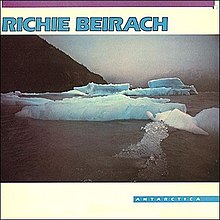
Saturdays at 12:00 Noon
Richie Beirach’s Piano Artistry
Host Craig Kessler takes a detailed listen to pianist Richie Beirach. We’ll hear Richie from his first recordings in 1974 in a variety of solo settings, with guitarist John Abercrombie, and with reedman Dave Liebman. Tune in for a masterful display of keyboard magic from this top-notch performer!
The Wednesday Night Special
Wednesdays at 6:00 PM
The Mike Conrad Trio at First Friday Jazz
Award winning arranger and composer Mike Conrad is joined by Tim Crumley on drums and Blake Shaw on the bass for a lively performance at the Opus Café in Cedar Rapids. We’ve seen Mike playing in groups across Iowa like Christopher’s Very Happy. Band and has his own Colossus Big band when he’s not teaching up at The University of Northern Iowa as Assistant Professor of Jazz Studies.
Jazz Night in America
Thursday at 11:00 PM
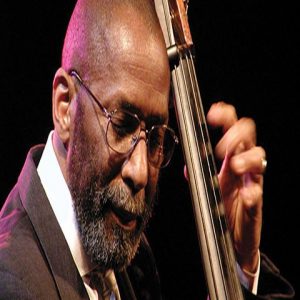
NEA Jazz Master Ron Carter
Throughout the month of April, Jazz Night in America celebrates the newest class of NEA Jazz Masters. This week, host Christian McBride spotlights the 85th birthday of bassist, composer, and newly minted NEA Jazz Master Ron Carter.
Jazz Corner of the World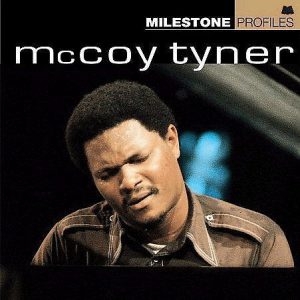
Saturdays at 12:00 Noon
AN OVERVIEW OF MILESTONE RECORDS
Host Craig Kessler takes a look at Milestone Records founded in 1966. Carrying on the modern jazz traditions that had been started at Riverside Records. We’ll hear from the early days, including recordings by Gary Bartz, Lee Konitz, Wes Montgomery, McCoy Tyner, Ron Carter, Thelonious Monk, and many others.
KCCK’s Midnight CD
Every Night at Midnight
Each night, KCCK gives you the chance to hear a new CD played start-to-finish.
New Frontiers by The DeFade Family on Monday; Thrust by Mike Miller on Tuesday; Episodes of Grace by Out to Dinner on Wednesday; Soundtrack by Jeremy Pelt on Thursday; Outdated Emotion by Delbert McClinton on Friday; Bring It by Miss Bix on Saturday; Living in Sound: The Music of Charles Mingus by Henry Skoler on Sunday
 Listen to this week’s playlist on

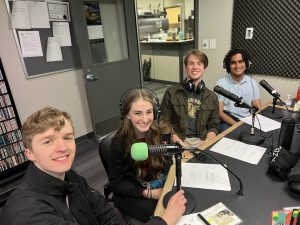
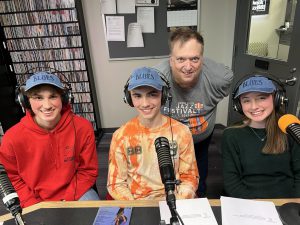
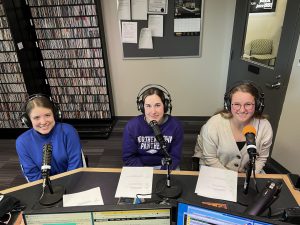 2022 was a big year for Anamosa Jazz I. They welcomed a new director, Gerardo Gomez, had a much-improved competition season, and also participated in the Corridor Jazz Project for the very first time! Evie Breitbach, Madeline Broghammer, and Lili Fischer broke it down for us, and also brought an excellent selection of songs.