
“A Minecraft Movie” (2025) and “The Sky Is Gray” (1980) with Hollis Monroe, Phil Brown and Ron Adkins.
Podcast (talkingpics): Play in new window | Download
Subscribe: Apple Podcasts | RSS
“A Minecraft Movie” (2025) and “The Sky Is Gray” (1980) with Hollis Monroe, Phil Brown and Ron Adkins.
Podcast (talkingpics): Play in new window | Download
Subscribe: Apple Podcasts | RSS
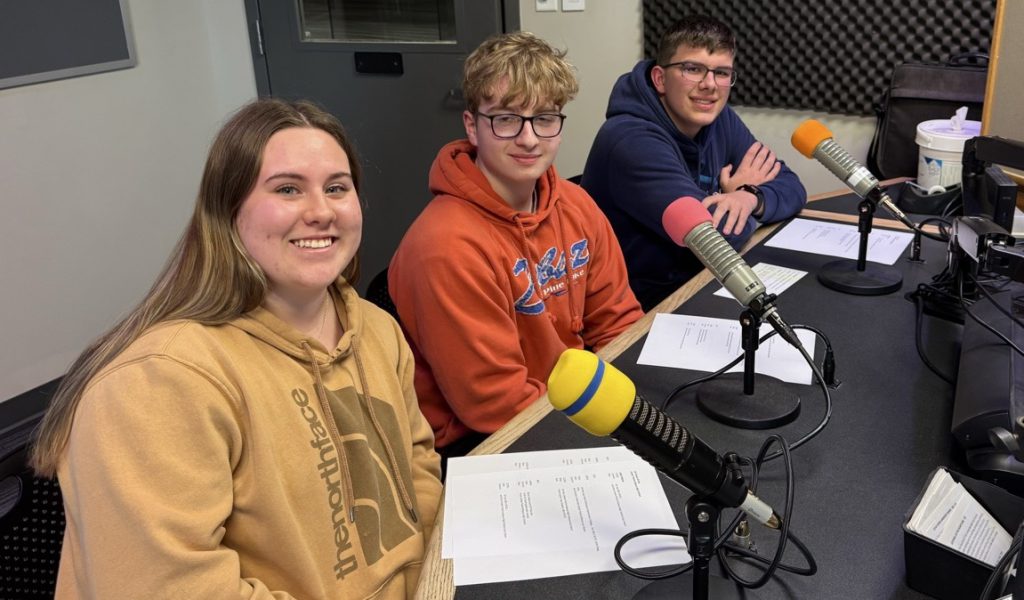 Students from area high school jazz programs join KCCK in studio to talk music and play some of their favorite jazz songs
To hear the shows, click the listen link below or subscribe to the KCCK Specials podcast channel.
Here is the schedule:
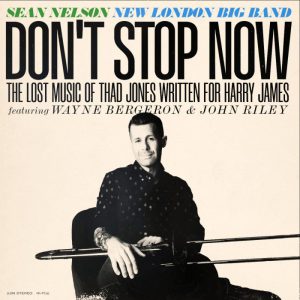 The KCCK Featured Album for May is “Don’t Stop Now” from the Sean Nelson New London Big Band. The great composer and arranger Thad Jones was commissioned to write twenty five arrangements and compositions exclusively for the Harry James Band in the late ’50s that were largely unknown or forgotten until recently. Most of the pieces were never recorded by James himself. Now with trumpeter Wayne Bergeron in the role of James, theses charts have been put to disc for the first time. “Don’t Stop Now” is from All In Records. Purchase
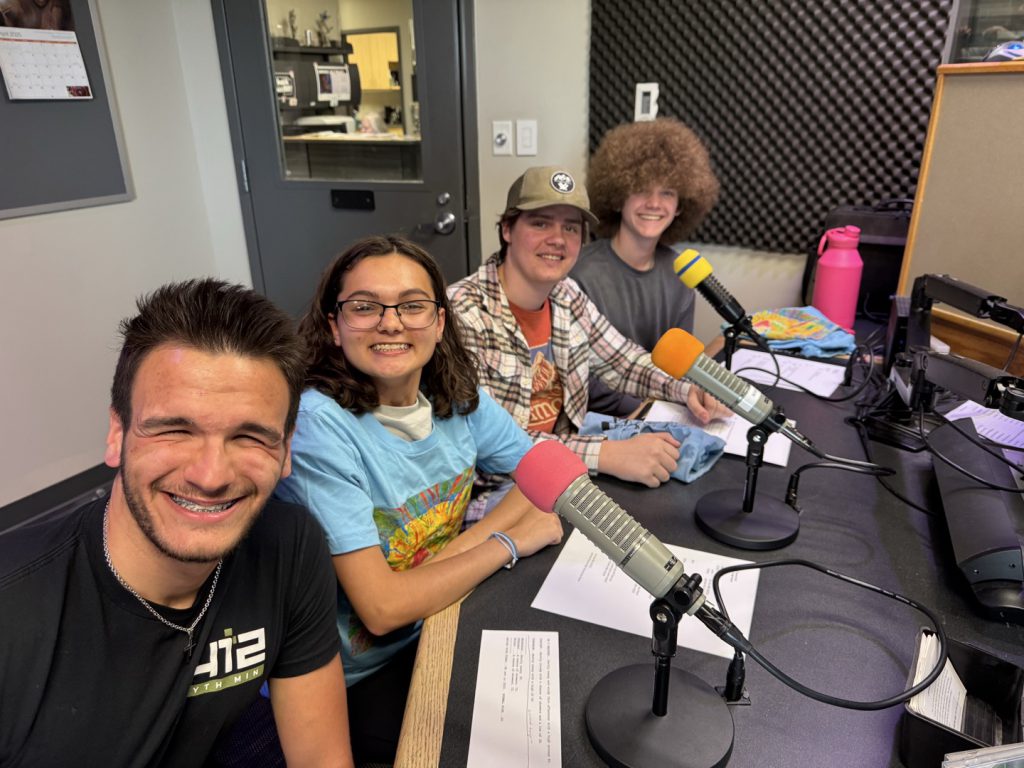
John Hynek, Jonathan Reu, Hailey Asbe and Chase Beightler helped lead Prairie Jazz Band One to another great finish. The band went back-to-back in Jazz Championships for the first time, and finished in the Top 8. They had a lot of fun with their director, Ms. Swehla and guest artist Mike Conrad, but pondered why it was that she always programs a Latin chart that required the band to sing!
John, Jonathan, Hailey, and Chase’s Playlist:
Podcast (specials): Play in new window | Download
Subscribe: Apple Podcasts | RSS
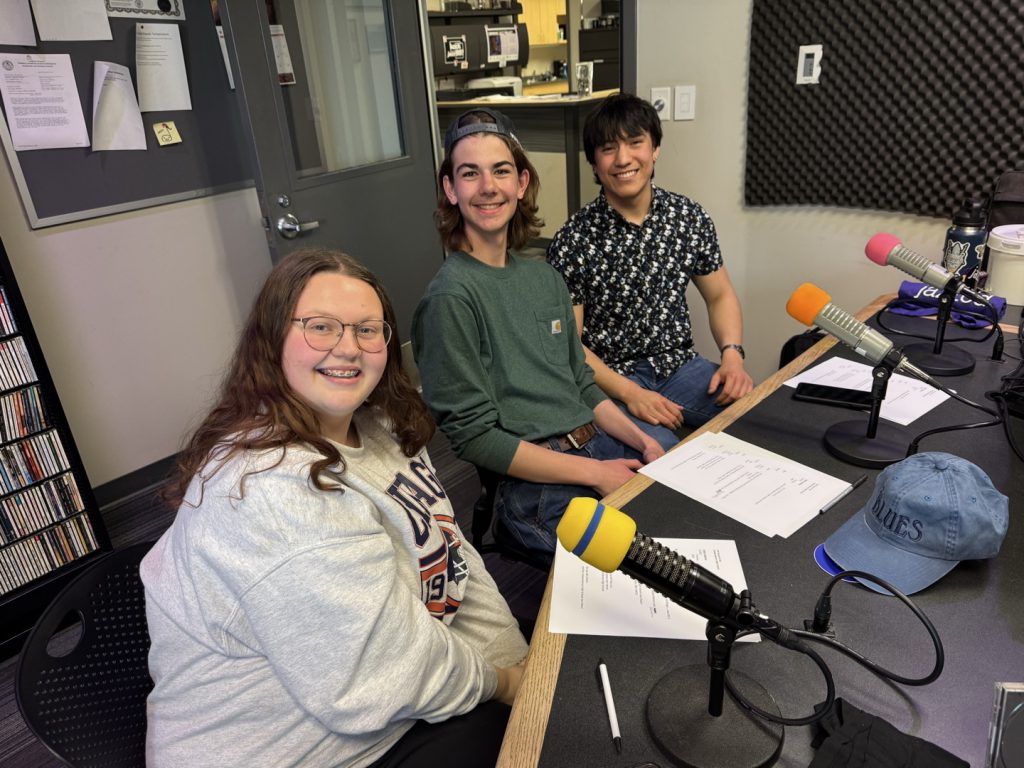
Presley Clendenen, Will Hansen, and Aaron Tanay told us the story of band at Independence High School this year, including their Corridor Jazz experience with the uber-cool Luke Sanders.
And which song they retitled “Hot Goose Forever!”
Presley, Will, and Aaron’s Playlist:
Podcast (specials): Play in new window | Download
Subscribe: Apple Podcasts | RSS
The U.S. Army Jazz Ambassadors appear at Iowa City West for concert on Friday, April 18. Staff Sgt. Emily Perkins is the group’s vocalist and tells us that the show will encompass many of the different eras and sub-genres of jazz for a fast-paced, entertaining show.
Admission is free, but Emily recommends reserving a ticket at www.armyfieldband.com/tickets.
Subscribe to The Culture Crawl at kcck.org/culture or search “Culture Crawl” in your favorite podcast player. Listen Live at 10:30am most weekdays on Iowa’s Jazz station. 88.3 FM or kcck.org/listen.
Podcast (culturecrawl): Play in new window | Download
Subscribe: Apple Podcasts | RSS
Two acclaimed musicians from the Czech jazz scene join forces for “Swing and Soul,” April 16 at the National Czech & Slovak Museum and Library. Legendary jazz pianist Emil Viklický, Berklee College of Music alum and veteran of work with jazz icons such as Wynton Marsalis performs with rising star Jan Smigmator, whose 2023 Carnegie Hall debut captured the attention of jazz enthusiasts around the world, for a program featuring American jazz standards.
Tickets and more information at www.ncsml.org.
Subscribe to The Culture Crawl at kcck.org/culture or search “Culture Crawl” in your favorite podcast player. Listen Live at 10:30am most weekdays on Iowa’s Jazz station. 88.3 FM or kcck.org/listen.
Podcast (culturecrawl): Play in new window | Download
Subscribe: Apple Podcasts | RSS
Listen to this week’s playlist on YouTube and Spotify
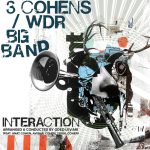 The members of the all-star family band the 3 Cohens—with siblings Anat on clarinet, Avishai on trumpet and Yuval on soprano sax—have always taken time out from their individual careers to reconvene for music-making together. They developed a deep musical bond while growing up in Tel Aviv, with collective improvisation becoming second nature for them. For their fourth release, “Interaction,” they teamed up with kindred-spirit producer-collaborator Oded Lev-Ari and the WDR Big Band for a live set showcasing Lev-Ari’s arrangements of his own compositions and those of each member of the Cohens.

Boasting a warm, finely burnished tone and a robust melodic harmonic imagination, tenor saxophonist Eric Alexander initially garnered attention playing in Chicago in the early 90’s before moving to New York. His new album, “Chicago to New York,” pays tribute to the intersection and interplay that still exists between the two cities. The stellar casting on the album is split evenly with Alexander and pianist Mike LeDonne representing New York, and the always excellent bassist Dennis Carroll and drummer George Fludas representing Chicago, where this dynamic rhythm section continues to live and work.
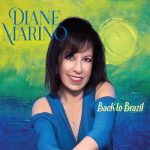
Also this week, Daggerboard and the Eric Jekabson Orchestra, featuring some of the finest Bay Area musicians, join together on “Axes II”; Posi-Tone Records continues the celebration of its 30th anniversary with the all-star Posi-Tone Swingtet and “In Jazz We Trust”; and pianist, vocalist and arranger Diane Marino displays her deep love and affection for the music of Brazil on “Back to Brazil.”