
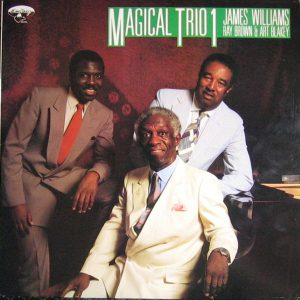
Hey, Jazz fans! Be sure to tune in this week as we celebrate the birthdays of composers Richard Rodgers and Frank Loesser, singers Lena Horne and Tierney Sutton, pianists Elmo Hope and Andrew Hill, trombonist Julian Priester, bassist Stanley Clarke and more. We’ll also mark the recording anniversaries of Duke Ellington’s “Ellington Uptown” (1952), Nina Simone’s “Live at Newport” (1960), Jim McNeely’s “The Plot Thickens” (1979), James Williams’ “Magical Trio 1” (1987), Joe Henderson’s “Big Band” (1996), Idit Shner “Live at the Jazz Station” (2019) and many others 10am to 2pm, Monday thru Friday, with Jazz Masters.
This Week in Jazz June 25 thru July 1
New Music Monday for June 26, 2023
Listen to this week’s playlist on YouTube and Spotify
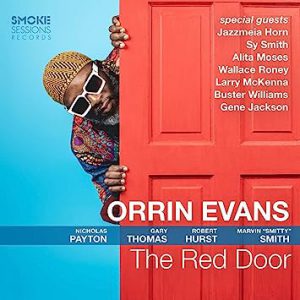 What’s behind “The Red Door?” For pianist Orrin Evans, that question has come to symbolize the daring path his life and music have taken over the course of his three-decade career for taking musical and personal chances. On this his first album since leaving the trio Bad Plus, he once again flings open the door, delighting in the collaborators, friends, inspiration, and history that he finds inside. Evans convenes a truly all-star affair featuring Nicholas Payton, Robert Hurst, and Marvin “Smitty” Smith, with special appearances from Buster Williams, Jazzmeia Horn, Larry McKenna, Gene Jackson, and the late great Wallace Roney.
 With their fiery 2010 quintet release “East-West Trumpet Summit,” trumpeters Ray Vega and Thomas Marriott’s inspired partnership resonated with jazz audiences and quickly hit #1 on the charts. Now with “Coast to Coast,” their third installment celebrating the fabled tradition of Fats Navarro/Howard McGhee and Freddie Hubbard/Woody Shaw recordings, the duo bring along Philadelphia’s own Orrin Evans on piano and legendary Roy McCurdy from Los Angeles on drums, and Seattle bassist Michael Glynn for a set that ranges from George Cables, Don Cherry, and Mingus penned tunes, to originals by Marriott and a couple of Great American Songbook ballads.
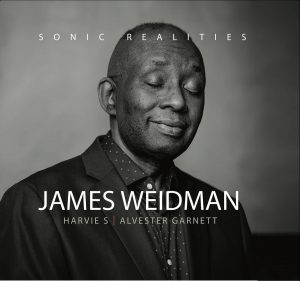
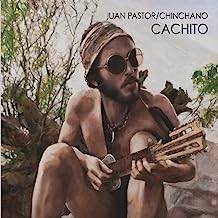
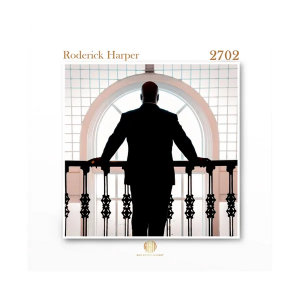
Also this week, “Sonic Realities” is a piano trio album exploring the musical lives of keyboardist James Weidman, bassist Harvie S and drummer Alvester Garnett; dedicated to his late father Carlos, drummer/percussionist Juan Pastor’s fourth and latest release, “Cachito,” is an exploration of grief and loss, of acceptance, and of steadfast courage; and vocalist Roderick Harper unveils his sixth release as a leader, “2702.”
Culture Crawl 831 “Yes and…”
Trumpeter John Daversa and pianist Tal Cohen are back in Eastern Iowa as faculty for the annual Cedar Rapids Chamber Music Festival, June 26-30 on the Kirkwood campus. They’ll bookend their week here with two “Art of Duo” shows, June 25 at CSPS Hall, and July 1 at the Sound Conservatory in Rock Island. Five Seasons Chamber Fest director Rich Wagor says there will be plenty of opportunities for the public to watch performances of chamber music, jazz, and even dance during the week. It’s also not too late to register. The Festival is open to all ages. Details at www.fiveseasonschambermusic.com. Tickets for the Art of Duo concert at www.cspshall.com. Visit John and Tal online at www.johndaversa.com and www.talcohenmusic.com.
Subscribe to The Culture Crawl at www.kcck.org/culture or search “Culture Crawl” in your favorite podcast player. Listen Live at 10:30am most weekdays on Iowa’s Jazz station. 88.3 FM or www.kcck.org/listen.
Podcast (culturecrawl): Play in new window | Download
Subscribe: Apple Podcasts | RSS
Talking Pictures 6-21-23
Talking Pictures 6-21-23 “The Flash” and “Sisu”
Podcast (talkingpics): Play in new window | Download
Subscribe: Apple Podcasts | RSS
Culture Crawl 830 “Watch Him If You Don’t Want to Watch Me”
Steve Shanley, after being out of the country for the first two weeks of the Cedar Rapids Municipal Band season, picks up his baton this week for a program that features his friend and mentor David Lang on euphonium. Also, music from Disney’s “Brave,” a Phantom of the Opera medley, and a song with the unique title of “The Tooted Toucan Can-Can.
7:30pm June 21 at Johnson STEAM Academy, with a 6:30 prelude concert from Harmony School of Music, and June 25 at Ellis Park. If you can’t attend, watch the livestream at www.facebook.com/crmuniband.
More info on the Muni Band Facebook page and at www.crmuniband.org.
Subscribe to The Culture Crawl at www.kcck.org/culture or search “Culture Crawl” in your favorite podcast player. Listen Live at 10:30am most weekdays on Iowa’s Jazz station. 88.3 FM or www.kcck.org/listen.
Podcast (culturecrawl): Play in new window | Download
Subscribe: Apple Podcasts | RSS
Culture Crawl 829 “Goofy & Upbeat…Except For That Guy Dying”
Cedar Rapids Opera brings two comedies to the Brucemore outdoor stage June 22-24, “American Gothical,” a delightful take on the creation of Grant Wood’s masterpiece, from the pen of Cedar Rapids native and award-winning composer Robert Lindsay Nassif, and Puccini’s “Gianni Schicchi,” in which a family must enlist the help of a scoundrel to help them acquire their inheritance.
The Opera also reprises “Charlie and The Wolf,” an original commissioned opera for young people, at the Cedar Rapids Public Library on June 18 and the Englert Theatre on June 19.
Details at www.cropera.org.
Subscribe to The Culture Crawl at www.kcck.org/culture or search “Culture Crawl” in your favorite podcast player. Listen Live at 10:30am most weekdays on Iowa’s Jazz station. 88.3 FM or www.kcck.org/listen.
Podcast (culturecrawl): Play in new window | Download
Subscribe: Apple Podcasts | RSS
Special Shows for June 19 thru June 25
 Jazz Corner of the World with host Craig Kessler
Mondays from 6:00pm to 10:00pm
Miroslav Vitous’s ECM Years, Show #1
Host Craig Kessler spins a batch of excellent selections from Miroslav Vitous’s 13-plus ECM recordings. We’ll hear the bassist with the likes of Chick Corea, Roy Haynes, Jack DeJohnette, John McLaughlin, and many others.
The Wednesday Night Special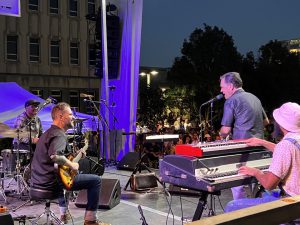
Wednesdays at 6:00pm
SuperBlue at the 2022 ICJF
Modern jazz legends, vocalist Kurt Elling and guitarist Charlie Hunter, joined forces to create SuperBlue, a dream project that pushed boundaries and gave us a new way to listen to jazz. They delighted the 2022 Iowa City Jazz Festival crowd with music from their debut album.

Jazz Night in America
Thursdays at 11:00pm
A Jazz Father’s Day Special
Jazz Night in America celebrates the Dads in the jazz world – from those in multi-generational musical dynasties to fathers who were die-hard music fans and everything in between. We’ll hear beautiful music and touching stories from Bobby and Madison McFerrin, Catherine Russell, Cory Wong, Chick Corea, and Benny Green in this very special Father’s Day episode.
Jazz Corner of the World with Host Craig Kessler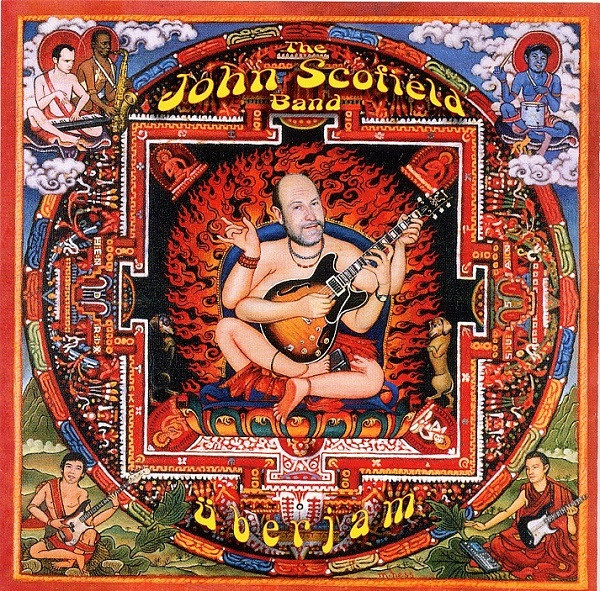
Saturdays from 12 noon to 4:00pm
Guitar Artistry of John Scofield
Host Craig Kessler presents a terrific sampling of jazz guitar work from this master’s (nearly) 50 years of work. We’ll hear Scofield with Miles Davis, Joe Henderson, McCoy Tyner, Joe Lovano, and many more, as well as selections from his 46-plus recordings under his own leadership.
KCCK’s Midnight CD
Every Night at Midnight
Each night, KCCK lets you hear a new CD played start-to-finish.
Empathy by Tim Lin on Monday; Words from My Horn by Anthony Hervey on Tuesday; Parker Plays X by Richard X Bennett & Matt Parker on Wednesday; Preludes by Jeb Patton on Thursday; Six Strings of Steel by Duke Robillard & His All-Star Band on Friday; Super Soul Session! by Arlen Roth & Jerry Jemmott on Saturday; Melusine by Cecile McLorin Salvant on Sunday.
This Week In Jazz June 18 thru June 25
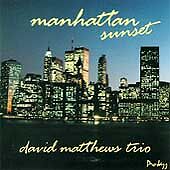 Hey, Jazz fans! Be sure to tune in this week as we celebrate the birthdays of saxmen Joe Thomas, Jerry Jerome and Sahib Shihab, singers Helen Humes and Dave Lambert, bassists Milt Hinton and Jamil Nasser, pianist/composers Lalao Schifrin and Arturo O’Farrill and more! We’ll also mark the recording anniversaries of “The Eddie “Lockjaw” Davis Cookbook, Vol. 1″ (1958), Stanley Turrentine’s “Look Out!” (1960), Bill Evans’ “Montreux II” (1970), David Matthews Trio “Manhattan Sunset” (1987), Teri Thornton’s “I’ll Be Easy to Find” (1997), “Ron Carter’s Great Big Band” (2010) and many others 10am to 2pm, Monday thru Friday, with Jazz Masters at noon.