
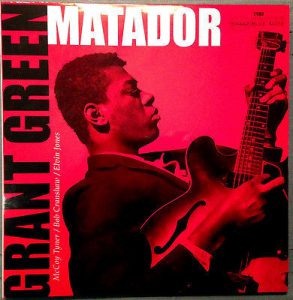
Hey, Jazz fans, tune in this week as we celebrate the birthdays of pianist/composer/singer Fats Waller, bandleader Woody Herman, singer Betty carter, saxmen Paul Quinichette, Dewey Redman and Jackie McLean and more. We’ll also mark the recording anniversaries of Duke Ellington’s “Ellington Uptown” (1947), Grant Green’s “Matador” (1964), New York Jazz Quartet’s “Blues for Sarka” (1978), Charles Earland’s “Third Degree Burn” (1989), Scott Hamilton & Jeff Hamilton Trio Live in Bern (2014) and many others, Mondays thru Fridays at noon on JAZZ MASTERS ‘on Jazz 88.3 KCCK.
This Week In Jazz May 15 thru May 21
New Music Monday for May 16, 2022
 Listen to this week’s playlist on YouTube and Spotify
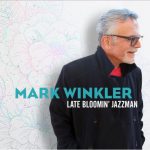
“Late Bloomin’ Jazzman,” the newest album by vocalist and songwriter Mark Winkler, is an homage to growing older and all the blessings and drawbacks that come with it. The album is Winkler’s 20th as a leader. He wrote lyrics to eight of the 12 tunes, and covers a lot of personal topics on the album. He writes about his love of George Gershwin, film noir, and the songs of Rio. He also writes of about losing his husband, finding love again, and about a close friend ravaged by Alzheimer’s disease.
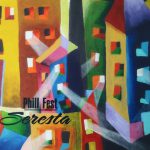
Guitarist and vocalist Phill Fest was born in Minneapolis. He grew up in a musical family and was exposed to Brazilian music and American jazz from the start. Phil’s father was Brazilian keyboardist and recording artist Manfredo Fest, who worked with Sergio Mendes in the 1970s, and his mother was a composer and music teacher. Phill has toured the world with many national acts, performing jazz, Brazilian, and Tropical jazz. “Seresta” is his fourth release as a leader.
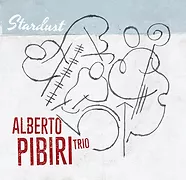
Also this week, the Italian musical prodigy Alberto Pibiri, who has worked with Sheila Jordan and Dave Stryker among others, unveils his fourth recording, “Stardust”;
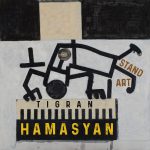
Armenian-born Los Angeles-based pianist Tigran Hamasyan offers up a program of standards and originals on “Standart”;

and drummer Daniel Glass, who has recorded and performed with several chart-topping artists from the Brian Setzer Orchestra to the Royal Crown Review, creates a virtuosic sound that is infectious, fun and incredibly entertaining on his new trio disc, “Bam!”
Clean Up Your Act 5-31-22
The plan to bring back the trees.
Podcast (cuya): Play in new window | Download
Subscribe: Apple Podcasts | RSS
Talking Pictures 5-11-22
Doctor Strange in the Multiverse of Madness (2022), The Automatic Motorist (1911-YouTube) and His House (2020) with Hollis Monroe, Phil Brown and Denny Lynch.
Podcast (talkingpics): Play in new window | Download
Subscribe: Apple Podcasts | RSS
Culture Crawl 713 “Actual Animal Sounds Will Be Played”
The Cedar Rapids Concert Chorale will be joined by a jazz combo to present Paul Winter’s Earth Mass “Missa Gaia,” May 15 at 2:30pm at Sinclair Auditorium.
It’s a stunning chorale work by an artist who is perhaps better known for his Jazz and New Age compositions on soprano sax in the Paul Winter Concert. Tickets at www.crchorale.org
Podcast (culturecrawl): Play in new window | Download
Subscribe: Apple Podcasts | RSS
Culture Crawl 714 “Full Slate”
The Friday Night Concert Series returns to a normal schedule post-pandemic, kicking off the summer music season May 13. Lisa Barnes from Summer of the Arts says not only will concerts will be held at the Ped Mall in downtown Iowa City, but also in the Northside neighborhood, on Linn Street.
Tribute bands to Prince, The Talking Heads, and The Grateful Dead will perform, as well as Jazz, Blues, Bluegrass, Rock and Roll and everything in between.
Lisa also gives a preview of the Iowa Arts Festival, with headliners including Asleep At The Wheel.
All shows are free. www.summerofthearts.org for the schedule.
Podcast (culturecrawl): Play in new window | Download
Subscribe: Apple Podcasts | RSS
Culture Crawl 715 “Very French, Very Tragic”
Cedar Rapids Opera presents “La Voix Humaine” (The Human Voice), May 13 on the CRST 4th Floor Balcony.
Director Haley Stamats says the one-woman show consists entirely of one side of a telephone conversation between a woman and man after the end of their relationship. Which presents some interesting requirements in staging, blocking, and singing.
Sung in French by Cedar Rapids native and popular CR Opera performer Janara Kellerman, with English supertitles.
Tickets at www.cropera.org.
Podcast (culturecrawl): Play in new window | Download
Subscribe: Apple Podcasts | RSS
This Week In Jazz May 8 thru May 14
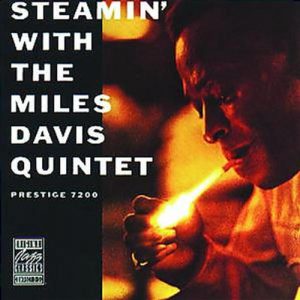 Hey, Jazz fans, tune in this week as we celebrate the birthdays of composer Irving Berlin, singer Maxine Sullivan, trombonist J.C. Higginbotham, saxophonist Marshall Royal, pianist Red Garland and more. We’ll also mark the recording anniversaries of The Miles Davis Quintet’s “Relaxin’/Steamin’/Workin'” (1956), Charles Minus’ “Mingus Ah Um” (1959), Art Blakey & the Jazz Messengers’ “En Concert avec Europe1” (1961), Earl “Fatha” Hines “At The Party” (1970), Chet Baker’s “Chet in Chicago” (1986), The Great Jazz Trio’s “Autumn Leaves” (2002) and many others, Mondays thru Fridays at noon on JAZZ MASTERS‘ on Jazz 88.3 KCCK.