
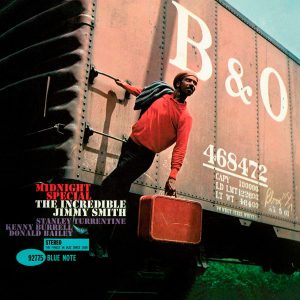
 Hey, Jazz fans! Be sure to tune in this week as we celebrate the birthdays of singers Ma Rainey, Ella Fitzgerald and Blosssom Dearie, saxophonists saxmen Johnny Griffin, Joe Henderson and Teddy Edwards, drummers Denzil Best, Connie Kay and Freddie Waits, multi-instrumentalist Jean “Toots” Thielmans and more. We’ll also mark the recording anniversaries of Peggy Lee with George Shearing’s “Beauty and the Beat ” (1959), Jimmy Smith’s “Midnight Special” (1960), Eddie “Lockaw” Davis-Johnny Griffin Quintet’s “Tough Tenors” (1970), Milt Jackson’s “A London Bridge” (1980), Charles MacPherson’s “Manhatttan Nocturne” (1997) and many others, Mondays thru Fridays at noon on JAZZ MASTERS on Jazz 88.3 KCCK.
This Week In Jazz April 24 thru April 30
Vivian’s Cadenzas – Washington Guest DJs 2022
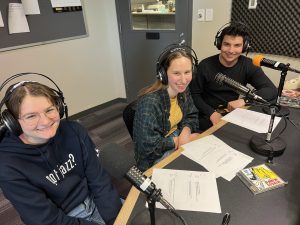 Phil Perea, Vivian Shanley, and Annika Twedt-Ball present a rollicking hour of music and stories from the the past year in jazz band with the CR Washington Revolutionists, including the terror, joy, and even love affairs that happen at KCCK’s Middle School Jazz Band Camp.
Phil, Vivian, and Annika’s playlist
Podcast (specials): Play in new window | Download
Subscribe: Apple Podcasts | RSS
Rhythm Section Ruling Class-Marion Guest DJs 2022
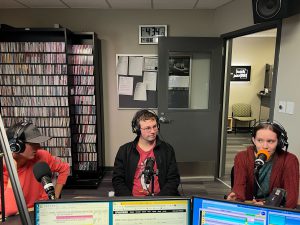 The Marion Jazz Band One rhythm section takes center stage, as Rhea Lord, Chris Oberbroeckling, and Ray Redondo join KCCK announcer (and 2021 Marion guest artist) Saul Lubaroff for a guest DJ hour, where we learn about a lot of last-minute shuffling (including Peter Hart stepping in at the last minute to sub for guest artist Jen Tiede) to make their recording happen.
Rhea, Chris, and Ray’s playlist
Podcast (specials): Play in new window | Download
Subscribe: Apple Podcasts | RSS
New Music Monday for April 25, 2022
 Listen to this week’s playlist on YouTube and Spotify
Regarded as one of Africa’s first international superstars, Zenzile Miriam Makeba elevated the spirit of a continent, including her native South Africa. Her courage, however, was met with three decades of political exile from her homeland followed by blacklisting in the U.S. after her marriage to civil rights activist Stokely Carmichael. Grammy-nominated vocalist and songwriter Somi’s lifelong love of Mekeba’s music and personal strength led to a new album, “Zenzile: The Reimagination of Miriam Makeba,” that she hopes will inspire a rediscovery of Makeba’s invaluable musical contributions and messages of social justice.
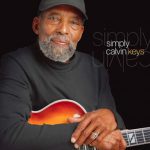
Calvin Keys doesn’t call a lot of attention to himself. Over six decades, the Oakland-based guitarist has established himself as one of jazz’s most eloquent six-string searchers, an improviser known for his lithe, beautifully crafted solos. Some of his most ardent supporters have been musicians who have hired him, like departed giants Earl “Fatha” Hines and Ray Charles. Fellow Midwesterner Pat Metheny described Keys as an early influence, writing the tune “Calvin’s Keys” in his honor. His new release, “Simply Calvin,” features his working quartet circa 1992.
Also this week, “New Dreams, Old Stories” is the latest release from the Toronto-based avant-folk-jazz quartet Way North;

trumpeter Sean Jones, saxophonist Ted Nash and singer Diane Schuur are guests of the United States Air Force band The Airmen of Note on the “2022 Jazz Heritage Series”;
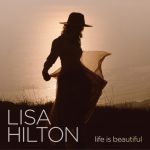
and pianist and composer Lisa Hilton and her trio with Luques Curtis and Rudy Royston present an optimistic vision celebrating Lisa’s 25th Stateside album, “Life is Beautiful.”
Talking Pictures 4-20-22
Everything Everywhere All At Once (2022) and X (2022) – plus an Ebertfest preview – with Hollis Monroe, Phil Brown and Monica Schmidt.
Podcast (talkingpics): Play in new window | Download
Subscribe: Apple Podcasts | RSS
Clean Up Your Act 5-9-22
Dangerous chemicals from farm fertilizer are making their way into water sources in farming regions.
Podcast (cuya): Play in new window | Download
Subscribe: Apple Podcasts | RSS
Culture Crawl 710 “Just Add Music”
Culture Crawl 710 “Just Add Music”
Some of the very first silent movies and Magic Lantern slides were shown to the public at the Graham Opera House in Washington, Iowa, by showman and entrepreneur William Brinton, in the early days of the 20th Century. Decades later, historian Michael Zahs was given a box labeled “Brinton Crap” that contained a treasure trove of early film.
Many of the pieces have now been set to music by Red Cedar Chamber Music, and the “Brinton Surprise” features some previously-unseen films from the collection.
“Brinton Surprise” is being performed around the area at libraries, opera houses and other venues, including a free performance at Kirkwood on April 25. The tour culminates May 13 at the Olympic Theater in Cedar Rapids, and May 15 at FilmScene at the Chauncey.
www.redcedar.org for more info.
Podcast (culturecrawl): Play in new window | Download
Subscribe: Apple Podcasts | RSS
All The Saxophones-Jefferson Guest DJs 2022
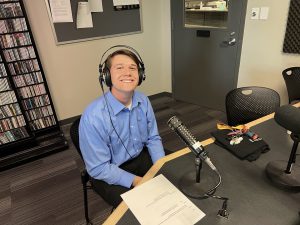
Ben Drzycimski solos in Jefferson’s Jazz Band, Show Choir and as a Guest DJ, when the other student was unable to attend. It’s been a busy year for Jefferson Fine Arts, and they’re not done yet!
Podcast (specials): Play in new window | Download
Subscribe: Apple Podcasts | RSS