It’s Prohibition-era Harlem, and Gladys Bentley is at the piano at Harry Hansberry’s Clam House, one of the biggest gay speakeasies in New York. Dressed in her signature tuxedo and top hat, she sings bawdy lyrics to popular songs. Her voice is deep and growling, and she flirts with the women in the audience.
Even as a child, Gladys Bentley raised eyebrows. She was the only girl in a family of boys and preferred her brothers’ suits to dresses. Ostracized, she left home for New York at age 16, where she soon headlined at Harlem’s Ubangi Club, the Apollo, and the Cotton Club, backed by a chorus line of drag queens. Wrote Langston Hughes of her performance, “Miss Bentley was an amazing exhibition of musical energy – a large, dark, masculine lady … a perfect piece of African sculpture, animated by her own rhythm.”
The repeal of Prohibition meant the demise of the Harlem speakeasies. Moving to Los Angeles, she was dubbed “The Brown Bomber of Sophisticated Songs,” and “America’s Greatest Sepia Piano Player.” She counted Cary Grant, Cesar Romero, and Barbara Stanwyck as loyal fans, but her popularity, and the culture’s tolerance for her lifestyle, waned. Still, as author James Wilson wrote, Bentley’s legacy endures.
This prominent figure of the Harlem Renaissance “troubled the distinctions between black and white and masculine and feminine,” and remains an inspiration for African Americans and the LGBT community.
This episode of “Soundtrack to the Struggle” was co-written by Ron Adkins and Hollis Monroe. Hosted by Hollis Monroe.
Podcast (soundtrack): Play in new window | Download
Subscribe: Apple Podcasts | RSS
 Jazz Corner of the World with host Craig Kessler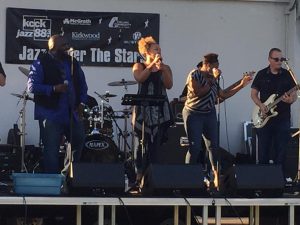
 Jazz Night in America with host Christian McBride
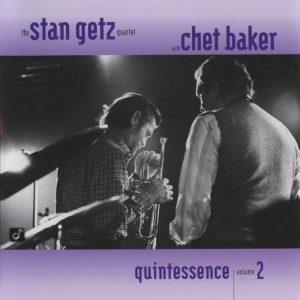 Hey, Jazz fans! Be sure to tune in this week as we celebrate the birthdays of pianist/composer Tadd Dameron, singers Nancy Wilson and Nina Simone, brassmen Joe Wilder, Lew Soloff and Warren Vache, flutist/saxophonist Bobby Jasper, drummers Harvey Mason, Sr., Joe La Barbera and Dave Bailey, saxman Buddy Tate, bassist Rodney Whitaker and more. We’ll also mark the recording anniversaries of Wynton Kelly’s “Kelly Blue” (1959), “Dave Brubeck Quartet at Carnegie Hall” (1963), Sonny Fortune’s “Awakening” (1975), The Stan Getz Quartet w/ Chet Baker’s “Quintessence, Vol. 2” (1983), Charlie Haden Quartet West’s “The Art of Song” (1999), Richie Cole’s “Latin Lover” (2017) and many others, Mondays thru Fridays at noon on Jazz Masters on Jazz 88.3 KCCK.
  Listen to this week’s playlist on