
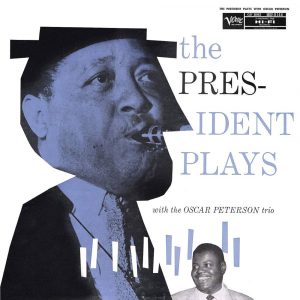
 Hey, Jazz fans. Be sure to tune in this week as we celebrate the birthdays of pianist/composer Scott Joplin, keyboardists Wild Bill Davis, Richard Tee and Lyle Mays, saxophonist/composers Paul Desmond and Al Cohn, cornetist Nat Adderley, singers Etta Jones and Holly Cole and more. We’ll also mark the recording anniversaries of “Lester Young w/ the Oscar Peterson Trio” (1952), Duke Ellington’s 70th Birthday Concert (1969), Gerry Mulligan/Chet Baker “The Carnegie Hall Concert” (1974), Dizzy Gillespie & Friends’ “Concert of the Century: A Tribute to Charlie Parker” (1980), The Gerald Wilson Orchestra’s “Theme For Monterey” (1997), Cyrus Chestnut’s “A Million Colors in Your Mind” (2014) and many others, Monday through Friday, and at noon on Jazz Masters on Jazz 88.3 KCCK.
This Week In Jazz November 23 thru November 29
Big Mo Pod Show 084 – “Garage Blues”
With another week comes another pod show, and this week’s episode features another sampling of old and new blues tracks, including one from a local artist we all know and love! Tune in to find how who it is! Songs featured in the episode:
- Blues Traveler – “Brother John”
- Eric Bibb – “This One Don’t”
- Bob Corritore – “Cold Black Mare”
- Bryan Lee – “Go On Fool”
- Bryce Janey – “Down Home Blues”
Listen to ‘da Friday Blues with Big Mo each week at 6pm, and catch the podcast for a behind the scenes look at the show!
Podcast (bigmopodshow): Play in new window | Download
Subscribe: RSS | Subscribe to the Big Mo Pod Show
Clean Up Your Act 11-21-25
The 15th Iowa Climate Statement warns that climate change could lead to higher insurance rates for Iowans.
Podcast (cuya): Play in new window | Download
Subscribe: Apple Podcasts | RSS
Culture Crawl 1146 “The Real Stuff”
TKM Theatrical Production’s Tom Milligan and Rod Pierson from The Rod Pierson Big Band are in the studio ahead of “A Swingin’ Christmas with The Rod Pierson Big Band and Craig Boche at the Mic!” This Christmas special is one night (afternoon) only coming up on Sun, Nov. 30, 2pm at The Amana Performing Arts Center.
Tickets and more info at tkmtheatricalproductions.com.
To keep up with The Rod Pierson Big Band follow Rod Pierson on Facebook.
Subscribe to The Culture Crawl at kcck.org/culture or search “Culture Crawl” in your favorite podcast player. Listen Live at 10:30am most weekdays on Iowa’s Jazz station. 88.3 FM or kcck.org/listen.
https://vimeo.com/1139119076?share=copy&fl=sv&fe=ci
Podcast (culturecrawl): Play in new window | Download
Subscribe: Apple Podcasts | RSS
Thanksgiving Special – First Friday Jazz
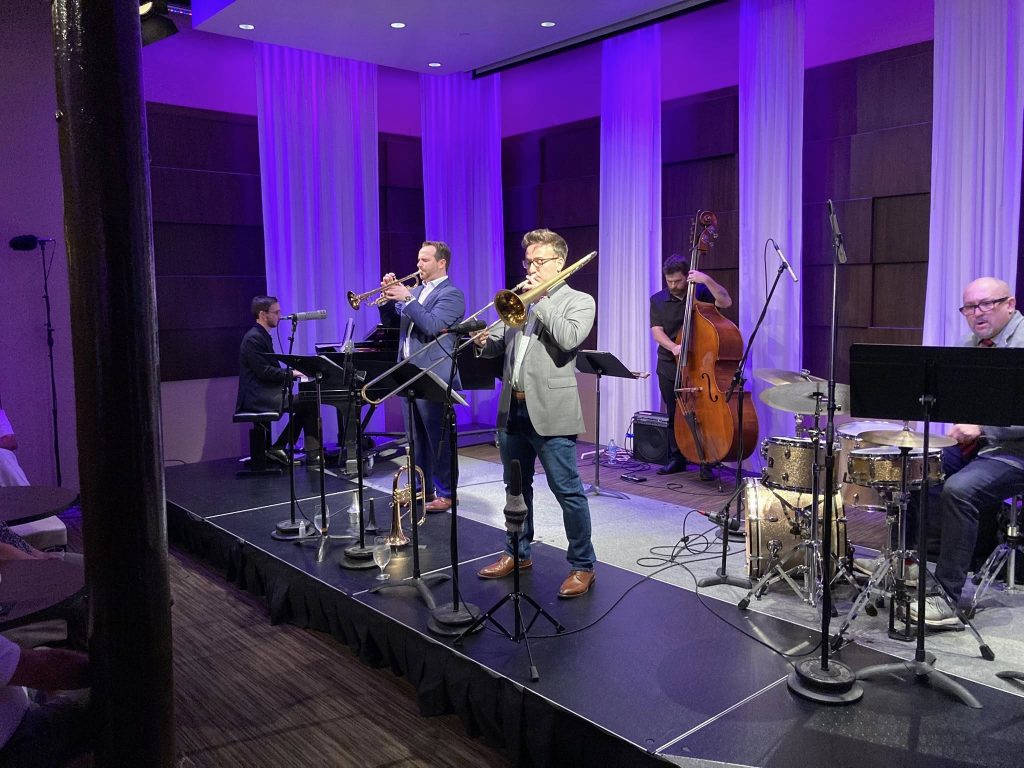 Some people spend Thanksgiving looking forward to Black Friday. But on KCCK, we’ll spend it with FIRST Friday! First Friday Jazz, that is. All day on Thanksgiving, we’re playing back some of your favorite shows from the past year of KCCK’s First Friday Jazz.
Here’s the schedule (times approximate):
- 6:00am – Soul Sacrifice
- 7:30am – Carson Parker Trio
- 9:30am – Vandello
- 11:00am – Confluence
- 12:30pm – Iowa Womens Jazz Orchestra Sextet
- 2:00pm – Kevin Burt
- 4:00pm – Ritmo Quinto
- 5:30pm – Joey Schnoebelen Quintet
- 7:00pm – Soul Sacrifice
- 9:00pm – Carson Parker Trio
- 11:00pm – Vandello
Culture Crawl 1145 “Borderline Animal Cruelty”
Cedar Rapids Children’s Theatre, better known as Playtime Poppy, is at Kennedy High School for their holiday show, “How The Grinch Stole Christmas.” Cast members Izzy Westercamp and Saul Ervin talk about putting this beloved show together, which will contain all the songs and scenes you know, plus a few surprises.
Dec. 4-6 at Kennedy High School. Tickets and more information at playtimepoppy.org.
Subscribe to The Culture Crawl at kcck.org/culture or search “Culture Crawl” in your favorite podcast player. Listen Live at 10:30am most weekdays on Iowa’s Jazz station. 88.3 FM or kcck.org/listen.
Podcast (culturecrawl): Play in new window | Download
Subscribe: Apple Podcasts | RSS
Talking Pictures 11-19-25
“Nouvelle Vague” (Netflix 2025) and “Train Dreams” (Netflix 2025) with Ron Adkins, Phil Brown and Scott Chrisman.
Podcast (talkingpics): Play in new window | Download
Subscribe: Apple Podcasts | RSS
Culture Crawl 1144 “Gerard Contains Multitudes”
Singer-songwriter Carol Montag brings “A Carol Christmas” to CSPS Hall Saturday, Nov. 29. Joined by longtime friends Bruce Millard, Gerard Estella, and Jim White, Carol promises an evening of fun, fresh arrangements of holiday favorites, and even treats!
Tickets at cspshall.org.
Podcast (culturecrawl): Play in new window | Download
Subscribe: Apple Podcasts | RSS